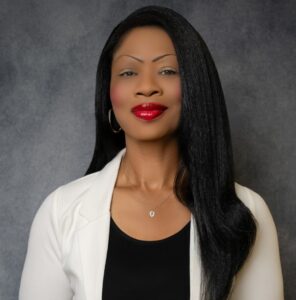
 Tomekia Moore serves as the Executive Director of Arkansas Community Action Agencies Association (ACAAA), where she leads statewide efforts to address poverty, build organizational capacity, and advocate for low-income to moderate-income Arkansans. Since stepping into this role in 2023, she has focused on advancing results-oriented initiatives, engaging policymakers at the state and federal levels, and amplifying the voice of Community Action across Arkansas.
Tomekia played a pivotal role in securing a $600,000 capacity-building grant in partnership with the University of the Ozarks, launching a groundbreaking initiative to work alongside churches to drive community-level change. This initiative integrates a statewide approach to food and nutrition insecurity, with a particular focus on underserved and rural communities. She also leads the Arkansas Pathways to Self-Sufficiency Initiative, a coordinated, multi-sector strategy addressing the complex and interconnected drivers of poverty through regional taskforces and collective impact frameworks.
A champion for leadership development, Tomekia initiated the ACAAA Leadership Academy, which equips emerging and current leaders across Arkansas with the skills, confidence, and tools to thrive in their roles and better serve their communities.
Her journey with ACAAA began in 2022 as the Director of Professional Development, where she created and delivered training opportunities to strengthen the statewide Community Action Network. Her background also includes frontline and community-centered roles as Unit Director of the Boys & Girls Club of McGehee and as a Head Start teacher with Community Service Offices, giving her a firsthand understanding of the programs and people she now leads.
Tomekia holds a Bachelor of Science in Early Childhood Education from the University of Arkansas at Pine Bluff and a Master of Public Service from the Clinton School of Public Service, where she was selected by her peers to serve as the student graduation speaker. She is a Nationally Certified ROMA Trainer, Certified Family Development Instructor, and Certified Group Facilitator. She was recently recognized in Marquis Who’s Who in America for her professional accomplishments and civic impact.
Her deep commitment to children and families is reflected in her service across numerous boards and coalitions, including:
• Steering Committee Member, Arkansas Kids Coalition (Arkansas Advocates for Children and Families)
• Steering Committee Member for Economic Justice, Citizens for Congress
• Collaborator, Excel by 8
• Co-Chair, Bank On Arkansas
• Member, State of Arkansas Weatherization Policy Advisory Council
• Member, Business Diversity Committee, Little Rock Regional Chamber of Commerce
• Member, Finance and Advocacy Committees, Junior League of Little Rock
Tomekia is a respected thought leader, advocate, and connector, dedicated to building systems that empower communities and ensure that all Arkansans have a fair opportunity to thrive.






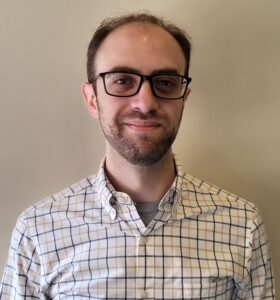 Jacob Schwartz is the Program Manager for the Digital Equity Program at the Fortune Society, dedicated to empowering the justice-impacted community through digital skills training and access. He holds a degree in Electrical Engineering from Lehigh University and has worked across diverse industries, including politics, technology education, municipal government with the NYC Department of Design and Construction, and even cruise ships. He also currently serves on the Fortune Society’s Policy Center Collective committee, the steering committee of the New York City Alliance for Digital Equity, and is Co-Chair of the Advocacy Committee for the New York State Digital Equity Network, as he fights for broader systemic change.
 Jamie Huber is the Director of Community Services at NOCAC, overseeing a broad portfolio that includes the Financial Opportunity Center, Emergency Services, and Homeless Programs. Jamie also leads the agency’s digital inclusion efforts, which began as a pilot Digital Navigation Program in 2021 and have since expanded to a team of two Digital Navigators serving six counties across Northwest Ohio.
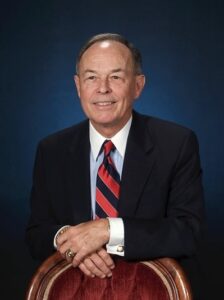 Dr. John Schweitzer served in the USAF career as a Captain. He served as Wing Civil Engineering Executive Support Officer, 5th Air Force, Yokota, Japan from 1972-1974.
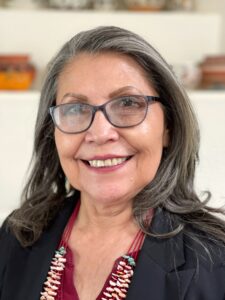 Experienced Director of Information Technology with a demonstrated history of working in higher education and the utilities industry, Joy established the Alliance for Navajo Broadband, a nonprofit advocacy group, in 2022 on behalf of its members from Higher Education, Broadband service providers and various Navajo business-minded individuals and companies. After 45 years of technical experience and IT leadership on the Navajo Nation, Joy has a 360° view and understanding of Navajo telecommunications policy and digital literacy needs on the Navajo Nation.
 Juanita Acosta is the Project Manager and Navigator Supervisor at El Centro Hispano in Jonesboro, Arkansas, where she supports community-based programs across educational, social, legal, cultural, health, and civic engagement initiatives aimed at improving quality of life and supporting youth enrichment. She has contributed to the implementation of a Rural LISC–funded broadband and digital literacy initiative that connected hundreds of individuals to internet access, devices, and computer skills training. In her role, she oversees program coordination and organizational marketing, leading bilingual outreach and community education to ensure information and resources are accessible in a region with limited Spanish-language media.
 Larisa is a curriculum and instructional designer for Adult Education and Literacy of Howard College in San Angelo, Texas. She also teaches and provides career navigation for adult ESL students at Howard College AEL, and acts as ESL Coordinator for her program. Larisa is a proud mother and grandmother and has been married to her husband Bryan for 37 years. Larisa is a fluent Spanish speaker, having learned Spanish as part of her college studies and missionary experience to South America. Larisa’s favorite part of her job is teaching and connecting with students, providing a safe space for them to learn and inspire each other.
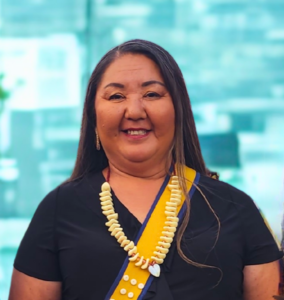 Markalene Madera has been part of Spqni Broadband Services for more than four years, serving the Spokane Indian Reservation with a strong focus on connection, access, and opportunity. She believes broadband is a critical link to the future—supporting education, employment, telehealth, cultural knowledge, language preservation, and digital inclusion for the tribal community.
 Matt has been with the United Way of Greater Cincinnati since 2021, having worked in the social service and higher education sectors for 18 years. He is the Director of the Community Impact Program Management team and advancing initiatives rooted in economic stability and community well-being—supporting United Way’s housing security and financial empowerment focus areas. Matt can speak to how United Way remains responsive to families’ immediate needs while also supporting strategies and initiatives that promote long-term stability. Matt holds bachelor’s degrees from Indiana University and a master’s degree from the University of Georgia.
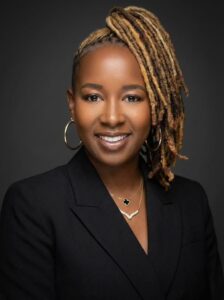 With passion, talent, skill, and willingness, I am honored to inspire growth and provoke changes that inevitably lead to justice, advocacy, and support for those in need.
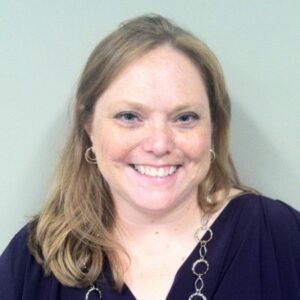 I have nearly 15 years of experience working as a Work Incentives Coordinator, helping individuals with disabilities utilize and manage Social Security work incentives. I previously served as manager for the Nebraska Work Incentive Planning and Assistance (WIPA) Program and oversaw the implementation of Social Security’s Promoting Opportunity Demonstration (POD) in the Nebraska catchment area. I have provided extensive advocacy on behalf of individuals with Social Security overpayments and have been involved in legislative change for Nebraska’s Medicaid Buy-In program. I received a law degree from the Nebraska College of Law in 2005 and a Master’s degree in Social Work from University of Nebraska-Omaha in 2007. My previous experience includes working as an attorney in the areas of juvenile and family law. Currently, I have a strong interest in creating software programs that are user-friendly and meet user needs, and how AI technology can help maximize organization and efficiency.
 Skye Downing serves as the Deputy Director of digitalLIFT (formerly Community Tech Network), where she provides strategic leadership across capacity-building initiatives, direct service programs, people operations, as well as partnership and funds development. With nearly 25 years of experience in the nonprofit sector, she has dedicated her career to advancing opportunities for historically under-resourced communities, with a particular focus on adult and community-based education over the past decade.
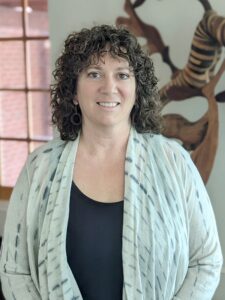 Yvette P. Brooks is a community leader and advocate dedicated to bridging the digital divide in Western North Carolina. After earning a BA in Psychology from Arizona State University and building a career in higher education, Yvette shifted her focus to family, fostering and later adopting her youngest child. She and her husband traveled North America by RV with her husband and four children and realized that she wanted to live a more intentional life. After reflecting on what matters she settled in Brevard in 2017. There she managed the Family Resource Center at SAFE before founding Through the Trees in 2020 to help families access the internet and devices during the pandemic. Under her leadership, the organization has grown into a vital community resource and was recently named Nonprofit of the Year by the Brevard/Transylvania Chamber of Commerce. A past President of the Brevard Rotary Club, Yvette is recognized for her collaborative spirit, problem-solving skills, and unwavering commitment to service.