In north-central New Mexico is a Tribal nation, the Pueblo of Jemez, known as Walatowa, a Towa word meaning “this is the place.” Nearly 2,000 residents live in this vibrant, culturally-rich community where they proudly preserve their heritage, fluently speak the Towa language, and carry forward generations of traditions.
For people deeply rooted in ancestral practices, sustainability is key to the Jemez Pueblo way of life. When the Pueblo was selected in 2022 to host a Digital Navigator program, it was clear the initiative would need to be thoughtfully integrated into the community’s culture to succeed. That’s when Angela Diahkah, Program Director at Jemez Pueblo Tribal Network (JNET), turned to two of Jemez-raised community members to serve as trusted guides for technology, digital skills, and internet adoption.
JNET, a Tribally-owned and operated internet service provider established in 2020, was created to improve broadband communications for students and the broader community. Through its participation in the National Digital Navigator Corp program, made possible by NDIA and funding from Google.org, JNET hired community-based Digital Navigators to bridge the technology gap. The program is designed to help clients better understand the new internet service, connect their devices, and build foundational digital literacy skills.
Digital Navigators Jordan Chinana and Kyla Magdelena have been working tirelessly to bring their expertise directly to Tribal members. Both emphasize that building trust has been critical to their success, as they strive to honor and respect traditions in their outreach. “We’ve learned that offering to help people get online or teach them new skills must be from a trusted source,” Angela said.
Like many communities, Jemez turned to Zoom during the pandemic to stay connected. For many residents, however, this was a new and intimidating experience. Even as more homes have access to fixed wireless connectivity, many residents still need guidance on connecting their homes to the network, setting up devices, and using essential online tools.
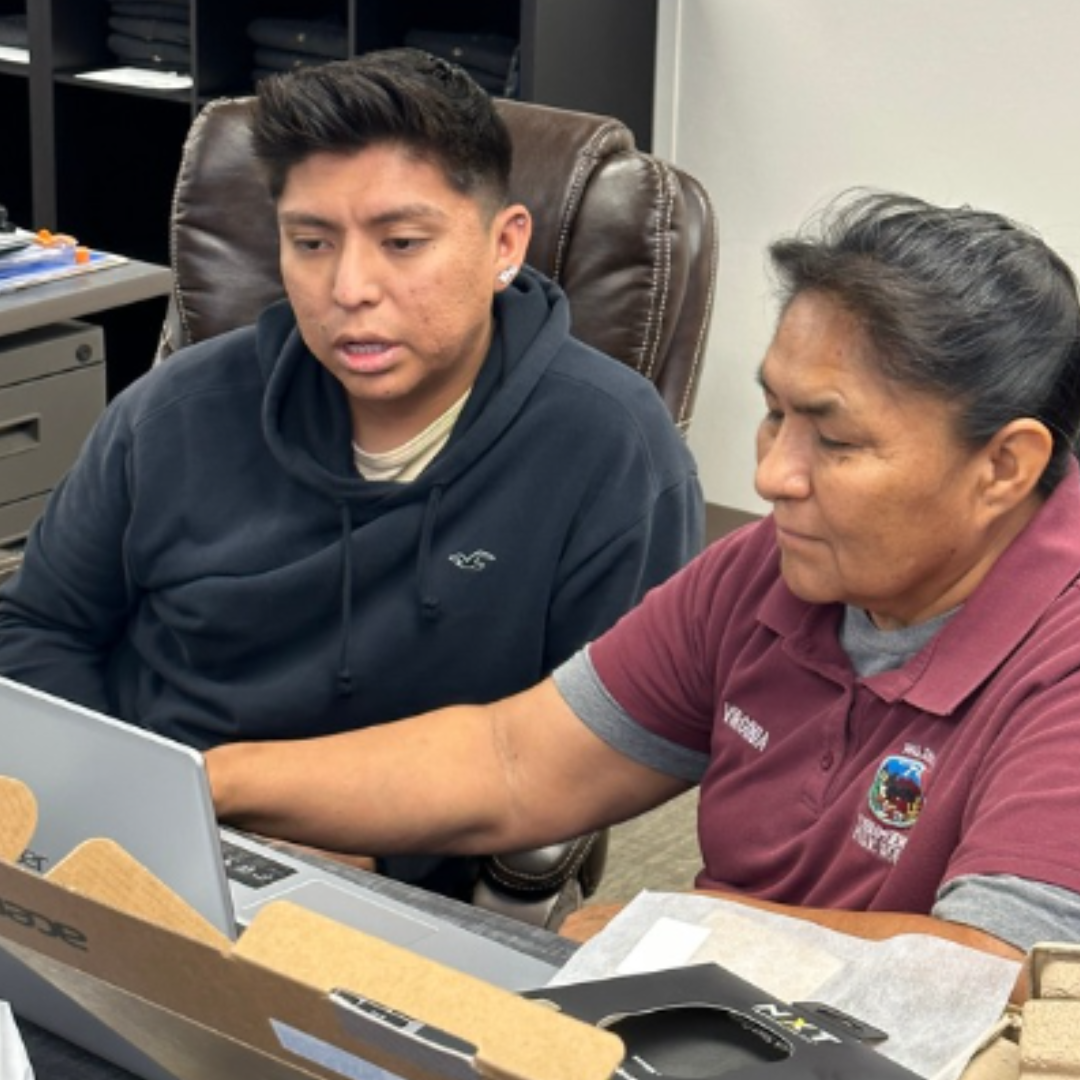 Digital Navigator Corey Yepa helping a Tribal member set up a laptop.
Jordan and Kyla, both fluent Towa speakers, use their native language when meeting with residents, to ensure that every lesson—from setting up a laptop to navigating the internet—is clear and culturally resonant.
Jordan assists with internet installations and teaches digital skills courses in both Towa and English. He’s also creating “how-to” videos in Towa to make learning even more accessible. Kyla, equally passionate about her work, enjoys helping local artists sell their creations online and teaching elders how to use digital tools to stay connected with family members.
Kyla’s collaboration with senior citizens during lunchtime phone aid stations has been particularly impactful. “We start with the basics—like adjusting font size or volume—and expand from there,” she shares. These sessions have grown into evening workshops, giving even more residents the opportunity to learn in a supportive environment.
The program has already transformed the lives of many Tribal members. One Elder learned how to pay bills online and register a vehicle, while others discovered how to stream their favorite music or connect with grandkids on Snapchat. Local artists have been empowered to accept online payments and expand their businesses, fostering self-sufficiency in the digital age.
To encourage more digital adoption, the team has implemented creative initiatives, such as a “learn to earn” program where residents complete digital skills training and receive an iPad. Door-to-door surveys also help identify homes in need of devices or training, allowing the team to deliver laptops and provide on-site lessons.
The Digital Navigator program operates with deep respect for the cultural rhythms of Jemez Pueblo. Navigators adjust their schedules to accommodate Tribal ceremonies and events, ensuring they can support their community without disrupting important traditions. This balance between preserving the past and embracing the future is central to their work.
Angela reflects on the program’s success: “I take pride in helping my own community with digital literacy and providing devices to those who have never owned anything. The best part is that we’re using our native language to teach our community—it helps them truly understand what they’re learning.”

Christmas Light Contest to Promote JNET and Digital Navigator services.
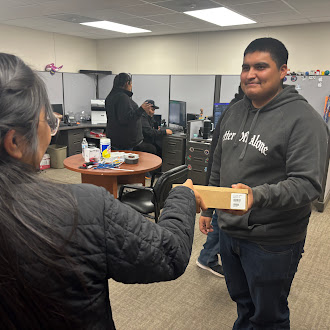
Recipient receiving an Eeros
(WiFi extender) for better connectivity.
While JNET is focused on expanding fiber broadband across the Pueblo, the Digital Navigators are scaling their programs, offering more training sessions, and increasing awareness through outreach events and social media. This past holiday season, JNET hosted a Christmas lighting contest that prompted residents to light up their community with the incentive to win prizes and devices, while at the same time, promote the services of JNET and further digital skills opportunities for the winners and participants.
As technology becomes an essential part of everyday life, the Digital Navigator program at Jemez Pueblo is proving that bridging the digital divide isn’t just about technology—it’s about people. By combining cultural understanding with technical expertise, this team is empowering their community to thrive in the digital world without losing touch with their traditions.
Increasing Access, Affordability, and Adoption Across the Pueblo of Jemez
- Enhancing digital skills through tailored training programs. Created a pilot program for a small group of Tribal employees needing to transition to an online clocking system. The digital navigator led the employees through the new system in small training sessions – in English and Towa.
- Access to technology and skills training. The Tribal employees needing help with the new online clocking system were also given a laptop with the requirement of taking a 6-week course with a digital navigator. In two-hour sessions, they were taught email basics, computer functionality and how to use some computer programs.
- Showing the practical benefits of digital skills. Teaching Tribal members how to set up online retail memberships such as Sam’s Club, or use shopping sites like Amazon highlights how digital skills can save time and money on everyday tasks.
- Becoming a trusted community resource. Digital Navigators use gathering places like senior centers and Tribal buildings to connect with residents. By setting up help desks or offering computer assistance in these familiar spaces, they build trust and establish themselves as reliable resources for the community.
This blog was written in collaboration with Raynor Avenue Public Affairs.