At a laptop distribution event in a small county in southern Iowa, a mother and her son approached the organizer, unsure if the opportunity was legitimate. “She was apprehensive at first, thinking it might be a scam, but broke down in tears when she realized it was real,” shares Allison Ruhl, the lead Digital Navigator for southern and southwest Iowa. The mother explained she had been doing everything in her power to help her son achieve his dream of attending college but never believed a laptop would be within reach. For her son, who was already excelling in high school and taking college-level courses, the laptop would be a vital tool for his future.
Moments like these are what drive Allison. Working in rural Iowa, where seven of the state’s smallest incorporated communities are located, she has been tirelessly building a program to reach residents with technical assistance, digital skills training, and devices. Her work bridges the gap for people in hard-to-reach geographies, helping them gain the tools and confidence they need to thrive in an increasingly digital world.


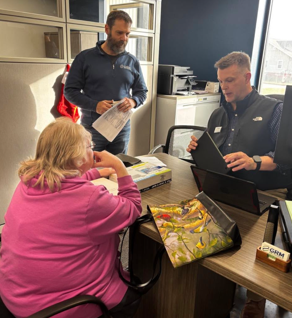
Allison is central to the Community Broadband Action Network (CBAN)’s participation in NDIA’s National Digital Navigator Corps. With support from a Google.org grant, Allison meets residents, assesses their digital skills, and tailors training to meet their individual needs. Whether it’s helping a grandmother send her first email or guiding families toward affordable internet options, Allison understands the life-changing potential of each interaction.
CBAN, established in 2018, originally focused on helping communities gain control over their broadband access. But as they engaged more deeply with local residents, they realized that access was only one piece of the puzzle. Adoption and trust were equally critical to success. “Hooking people up and walking away is an inadequate approach,” explains CBAN Co-Founder and Digital Equity Practice Leader, Jon Willow. “We needed someone who could meet people where they are, and Allison has done just that.”
In a region with minimal technological infrastructure, including limited local media, Allison has had to get creative with outreach. From signup sheets at grocery stores to word of mouth at libraries, she uses grassroots methods to connect with the community. “You can’t rely on traditional outreach here,” she says. “You have to meet people in their spaces, at their pace.”
Allison’s determination has been key to growing CBAN’s Digital Navigator program. At events like tech fairs, she ensures residents leave with more than just a device—they leave with confidence and the skills to use it effectively. “Not taking no for an answer is part of the job,” Allison says. “It’s about showing people the value, sharing success stories, and being there every step of the way.”
CBAN’s impact extends beyond individual clients. The organization has established rural hubs across five counties, providing spaces where residents can learn, collaborate, and build connections. Whether hosting one-on-one sessions or partnering with local organizations to address digital equity, CBAN has become a trusted resource in southern Iowa. And for many county residents, Allison is the familiar face they rely on.
“Allison is brilliant at meeting people where they are,” Jon notes. “She’s tenacious with both clients and partners, staying with them until we meet the goal. Her work has already made a lasting impact.”
Despite these successes, challenges remain. Internet affordability is one of the biggest hurdles in rural Iowa, where reliable service is often out of reach for many families. “Connectivity shouldn’t be a luxury—it’s a necessity,” Allison emphasizes.
CBAN’s leadership is committed to ensuring the sustainability of the Digital Navigator program. They’re exploring partnerships and innovative solutions to secure ongoing funding, recognizing that having someone like Allison in the community is essential to their mission. As Allison plans her next tech fair and continues her daily work, she remains optimistic about the future.
“The need is great, but so is the potential. Every person we help is a step toward a more connected and equitable community.”
Allison Ruhl, Digital Navigator
Here, success isn’t just about the number of devices distributed or workshops held—it’s about the lives changed through opportunities to learn about and access technology. Students heading to college, grandparents reconnecting with family, and communities finding new ways to solve challenges all point to the transformative power of digital inclusion.
In rural Iowa, where resources are scarce, but determination runs deep, Allison and CBAN are proving that with creativity, resilience, and heart, even the most remote corners can thrive in the digital world.
Increasing Access, Affordability, and Adoption in Iowa’s Southern Tier Counties
- Helping residents know the various connectivity options available. With no media landscape in a largely remote, rural, and underserved area, CBAN has learned creativity is vital in getting the word out to every member of the community, whether through local radio, grocery store flyers, or Facebook posts.
- Expanding connectivity. CBAN has established relationships with five rural communities in South Central Iowa, which act as rural hubs for clients to meet, discuss digital equity, and learn. Through events that allow clients to bring their own devices, 1:1 sessions, and partnerships with community organizations, they have gained a positive reputation as a crucial resource for rural Iowa.
- Pursuing local partnerships. CBAN works with community-based organizations of all kinds to identify and build support for digital navigation services. The organization is currently evaluating partnerships with other agencies and the State of Iowa to coordinate and advise Digital Navigator trainers, who would be employed by other agencies.
- Tailoring digital navigation services. CBAN’s digital skilling curriculum is divided into three tracks, curated to the needs of learners at different levels. From there, the Digital Navigator works with clients to establish personal goals and offer the needed support around device ownership and access to affordable internet.