When Shannon O’Brien first set up office hours at the Westport Library, she wasn’t sure what to expect. Within hours, seniors were trickling in, some holding laptops they hadn’t turned on in years, others with questions as simple as “How do I set up an email account?” After Shannon’s help, the relief on their faces was immediate. For her, these moments aren’t just about answering questions—they’re about helping neighbors gain confidence in a digital world that can often feel overwhelming and difficult to navigate.
Shannon joined Washington State University (WSU) Grays Harbor Extension in early 2024, bringing a unique combination of technical expertise and a deep passion for service. Her upbringing in rural and indigenous communities instilled in her a passion for service and advocacy that drives her work today.
Her work as a Digital Navigator goes beyond teaching digital skills—it’s about earning trust, understanding individual needs, and providing support in a way that truly meets people where they are. From the libraries of Westport to community fairs in Aberdeen, Shannon has established herself as a friendly, reliable resource for those in need of digital assistance.
“People in Grays Harbor want the space to ask questions and make mistakes without judgment,” Shannon shares. “It’s really about connecting, listening, and giving them the confidence to take those first steps.”
Grays Harbor is a close-knit community and the effectiveness of the Digital Navigator Program has been the result of collaboration. Shannon has forged partnerships with local organizations like Timberland Regional Library, Parents as Teachers, and Therapeutic Court to reach more residents needing technical assistance.
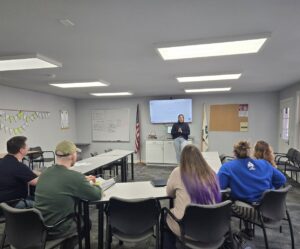
Grays Harbor is a close-knit community and the effectiveness of the Digital Navigator Program has been the result of collaboration. Shannon has forged partnerships with local organizations like Timberland Regional Library, Parents as Teachers, and Therapeutic Court to reach more residents needing technical assistance.
WSU Grays Harbor provides both Parents as Teachers and Therapeutic County with devices to distribute as necessary and Shannon focuses on digital skills support. In individual sessions, Shannon covers topics like telehealth, finding reliable information using search engines, resetting WiFi, setting up parental controls, using virtual learning tools, and online shopping.
Parents as Teachers is an organization that gives resources to help guide parents through the early stages of a child’s development by matching parents and caregivers with trained professionals who make regular personal home visits.
A rewarding moment came when a mother of two—juggling a newborn and a three-year-old—came to Shannnon feeling overwhelmed from managing her children’s healthcare, handling legal documents related to a custody arrangement, and staying connected with family who live across the country. Together, they set up her telehealth portal, practiced scheduling virtual appointments, and organized her medical records, saving her time and reducing stress. Next, they streamlined her legal documents, teaching her how to create digital files and email attachments, making it easier to manage custody paperwork. Finally, they set up video calls so her children could stay connected with their grandparents and relatives.
By the end of the session, she sighed with relief and said, “It feels like the world was just lifted off my shoulders.” With newfound confidence, she can now handle daily challenges more smoothly, improving life for herself and her children.
The partnership with Therapeutic Court supports individuals rebuilding their lives by helping them develop the digital skills needed to become workforce-ready or advance their education. One of Shannon’s clients is working toward an associate degree in Automotive Technology, another is earning an Associate of Applied Science in Hospitality and EcoTourism, and another is pursuing a certificate in Commercial Transportation and Maintenance to obtain a CDL for commercial truck driving. By equipping them with essential digital tools, the program is opening doors to stable careers and greater independence.
Shannon’s work is filled with small victories that make a big impact. At the Grays Harbor County Fair, a beloved community tradition that attracts 27,000 visitors, Shannon helped families with the check-in process and navigate the online application system, Fair Entry, to enter their exhibit. As a steady stream of exhibitors were arriving, there were two young brothers eager to showcase their impressive LEGO cars but had not created a profile on Fair Entry. Shannon helped their mom download the app and transfer her information from 4-H Online, quickly confirming the boys’ entry was ready for the judging round. Shannon’s efforts were integral to the fair’s success, ensuring that families could participate fully in this beloved community tradition.
For Shannon, it’s not just about the numbers but the quality of each interaction. “It’s a daily reward,” she says. “Helping someone sign a lease, get back into college, or apply for a job—those moments show how digital skills can open doors.”
What makes Shannon so effective is her ability to listen. Many residents aren’t sure what help they need or how to ask for it. “People need someone who will take the time to understand their story,” she says. Often, she finds herself listening to stories about grandchildren or providing referrals to housing departments or food banks.
Dan Teuteberg, WSU Extension’s Program Manager, explains, “Grays Harbor is built on relationships. Shannon understands that the key to success as a Digital Navigator is meeting the community where they are and building trust. It’s not about the quantity of people served but the quality of those interactions.”
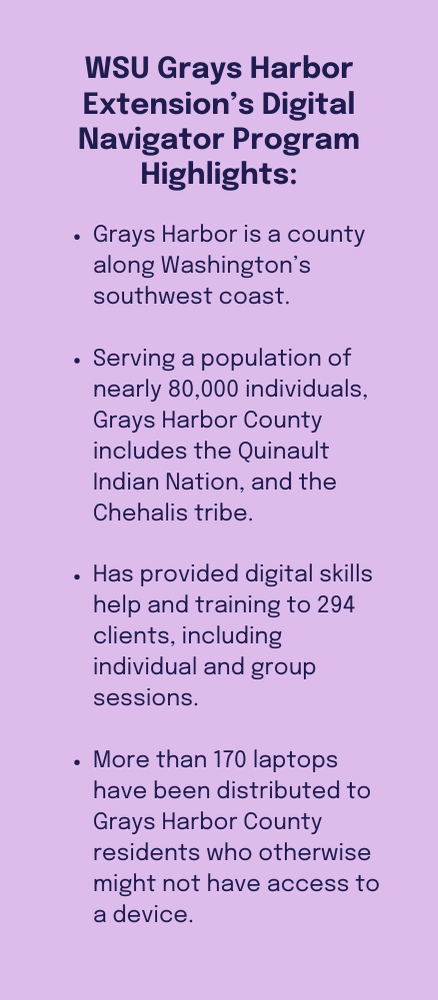
WSU Grays Harbor County Extension was the recipient of a Google.org grant as part of NDIA’s National Digital Navigator Corp to foster digital inclusion in rural communities and Native nations. The Digital Navigator program shares resources with WSU, most notably to leverage partnerships with existing regional organizations such as the 4-H program. “What’s unique about this program is that it was designed to be very county-focused with community navigators who already possess digital teaching skills and can help with broader personalized assessments of individual situations while providing resources,” said Dan.
For Shannon, the goal is clear: to keep connecting with her community and empowering them to embrace technology on their own terms. Whether she’s troubleshooting a cell phone or teaching seniors how to create an email account, her work is a reminder that digital skilling is about more than just skills—it’s about connection, opportunity, and belonging.
Looking ahead, Shannon and the WSU Extension team aim to strengthen partnerships and build on the program’s success, ensuring that all Grays Harbor residents have the digital resources and skills needed to succeed.
Increasing Access, Affordability, and Adoption Across Grays Harbor County
- Increasing digital skills through community partnerships. The digital navigator’s partnership with Therapeutic Court provides participants with digital skills training and laptops after reaching key milestones, helping them rebuild their lives and prepare for reentry into the workforce.
- Access to technology. Through the Parents as Teachers program, the digital navigator has helped distribute laptops to 70 families, ensuring young parents have the tools they need to access educational resources and manage their busy lives.
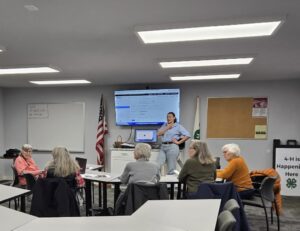
- Expanding reach within the community. At Timberland Regional Library, the digital navigator’s regular office hours have become a cornerstone of the program, with library staff frequently referring patrons for help with everything from filling out online forms to troubleshooting laptops. These sessions often draw 5–10 people a day, creating a ripple effect of trust and awareness throughout the community.
- Accessing community resources. At the Sunday Market in Aberdeen, the digital navigator’s help desk turned into impromptu IT support for local small businesses, where they learned how to use online payment systems, streamlining their operations and helping them connect with more customers.