When Abraham Camez set up shop at the Hoopa Valley Community to sell his signature smoked BBQ, he noticed something that stuck with him. “A lot of people around here make incredible food or handmade goods,” he said. “But many of them weren’t making sales simply because they didn’t accept credit cards.”
That everyday observation planted the seed for a brand-new community program—that’s now helping local vendors modernize their small businesses, accept digital payments, and grow their customer base.
As the Digital Navigator for the Hoopa Valley Tribe, Abraham has spent the last few years helping community members get online, access devices, and build essential digital skills. But it was clear to him that small business owners needed more specialized support—particularly those trying to sell their products at local events like the community trading post and downtown craft fairs. Hoopa Valley is in a rural part of Northern California, where residents on Tribal land may have trouble accessing the resources needed to build business management skills or the right tools to manage online sales. Abraham’s unique position working for Hoopa Valley Utilities District, which owns and operates Acorn Wireless, a Tribally-led internet service provider, helps build trust with the local community to get them reliable connectivity options but also provides appropriate devices and digital skills to support their small business.
With support from NDIA and funding from the already-in-place National Digital Navigator Corps grant, Abraham got to work designing something new: a tailored training course to teach Hoopa vendors how to use Square Point of Sale (POS) System software and iPads for cashless transactions.

A Community-Driven Curriculum
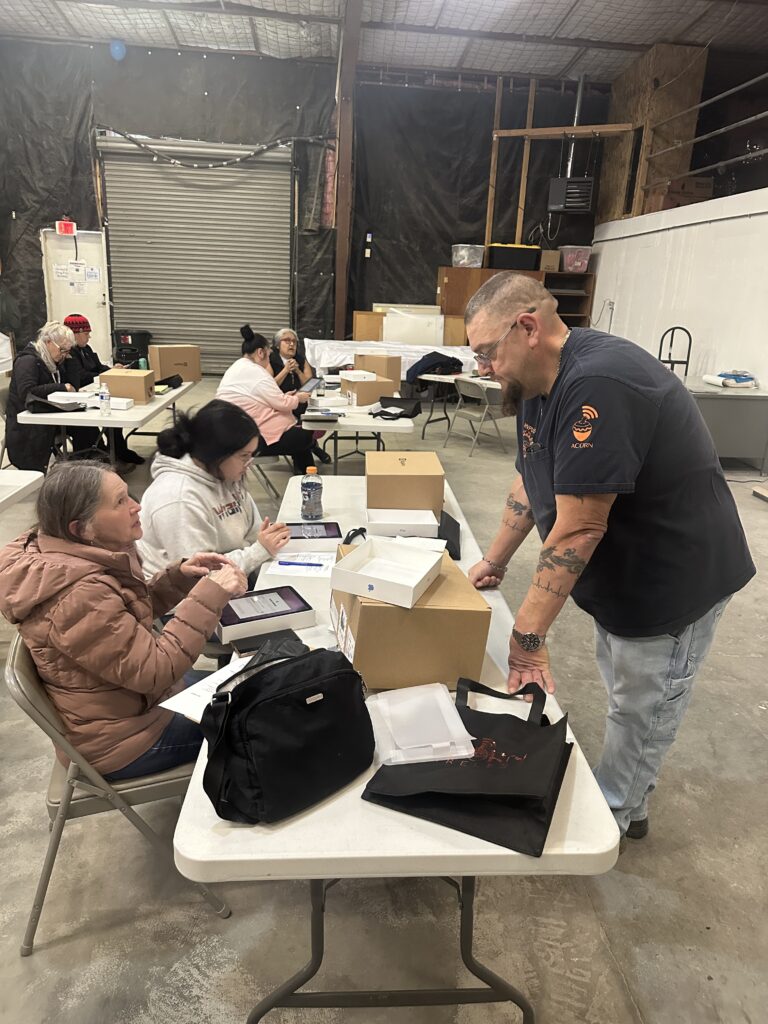
The first step was research. “I looked for existing training materials for using Square Terminal and didn’t find anything that really worked for our community,” Abraham said. So he created his own. The curriculum covered everything from setting up an iPad and Apple ID to creating a business email, downloading the Square app, linking a bank account, and completing a transaction.
To gauge interest, Abraham visited the Valentine’s Day market and talked with local vendors about their needs. The response was enthusiastic. In March, he hosted the first four-hour training session. Eight local business owners participated, each receiving a new WiFi-enabled 10th Generation iPad for their business.
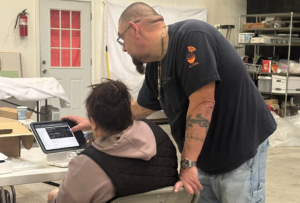
Some had never used an iPad before, others weren’t sure if they had an Apple ID, and most didn’t have a business email. However, by the end of the session, seven out of eight participants were able to complete a card transaction using Square. Abraham scheduled follow-up visits for those who needed extra help, including one woman who returned later, successfully set up her device, and completed her first sale.
Real Tools, Real Results
Participants in the program represent a wide range of small businesses: a sandwich vendor, a baker, a yard and garden service, a downtown food stand operator, a member of the rodeo association, a cleaning service provider, a jewelry seller, and a honey and plant grower. Many of these vendors sell at markets just once or twice a month. Others set up shop downtown three to four days a week.
Now, thanks to the training and new devices, they can accept contactless card payments, better track their earnings, and avoid the hassle of daily cash transactions.
“I wanted to give them a basic foundation that they could build on,” said Abraham. “It’s only going to benefit them the more they use it.”
Building Economic Opportunity—One Transaction at a Time
The program required participants to hold a Tribal Business License through its Tribal Self-Governance, which allows them to waive daily vendor space fees. This added step helps formalize and legitimize their businesses—providing more opportunity for growth in the long run.
Abraham continues to check in with several vendors to ensure they’re fully set up and confident using the tools. With positive feedback pouring in, he’s already considering expanding the program and training the next round of entrepreneurs.
What started as a simple observation at the local market has become a powerful example of how Digital Navigators like Abraham are doing more than helping people get online—they’re creating tangible, community-centered solutions that build digital and economic resilience.
Stay tuned for more updates from Hoopa Valley, where, one transaction at a time, the community is building a more connected and empowered future.